শনিবার, ২৮ নভেম্বর ২০২৬, ০৫:৪৯ পূর্বাহ্ন

China’s “economic muscle” has earned it respect abroad and reshaped foreign policy, says Ian Johnson, a Pulitzer Prize-winning journalist who has long reported on Chinese civil society.
“At the same time, Western governments have become much more inwardly focused and populist, pushing human rights down their lists of priorities.”
China’s human rights record has not earned a mention in any of the three summits Xi Jinping and US President Donald Trump held this year, including the one in Shenzhen last week. As Beijing’s leverage on the global stage has grown, so has the cost of confrontation or condemnation.
This shift in Beijing’s image and tactics is deeply worrying, dissidents say, because it is weakening both their networks and the international pressure they hope to build.
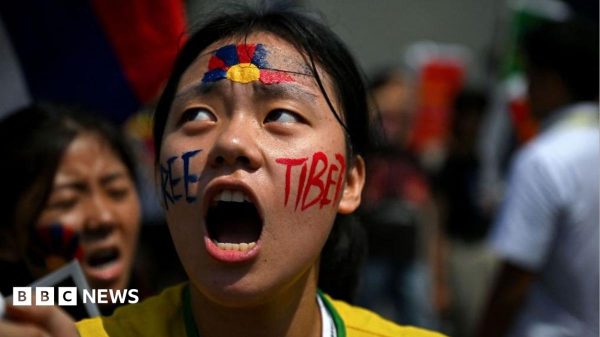
In July Tibetan activist Lobga Rangzen died after he set himself on fire outside the UN headquarters in New York. He was protesting against China’s sweeping new “ethnic unity law” which, among other things, requires minorities, including Tibetans, to learn Mandarin. The UN called it an “absolutely tragic” incident, but attention quickly faded.
His death was “an appeal to the international community”, says Tenzin Dorjee, a researcher at the Tibet Action Institute, but he thinks much of the world is reluctant to criticise China because of the power it wields.
That same month Dolkun tried to rally supporters against the same law but he met with a muted response.
“Many people have dialled down on their activism over the years because they are thinking about their loved ones back in China,” Dolkun says.