বুধবার, ১১ নভেম্বর ২০২৬, ০৬:৩৯ পূর্বাহ্ন
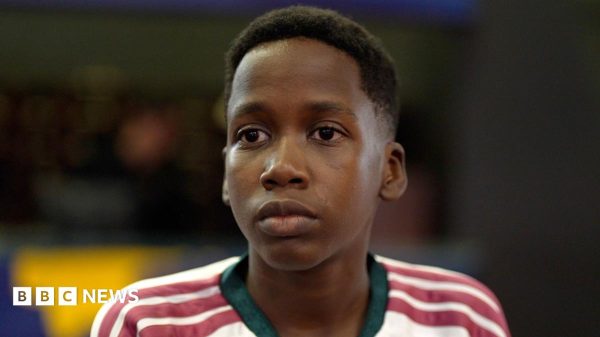
Zaher lost his legs in 2024, when he and his mother had been trapped in Khartoum. Much of the city had become a battleground as it was torn apart by fighting between Sudan’s army and the RSF.
Food and basic supplies were running short and the family did not have enough money to flee. To survive, they sold lentils on the streets.
Then one morning, as Zaher and his mother worked side by side, a drone struck.
“I looked at him and he was bleeding. There was blood everywhere,” Habibah explained last year.
She was devastated. “He would wake up and ask: ‘Why did you let them cut off my legs?’ I couldn’t answer.”
Back then, Zaher was wheeling himself through the rubble of his neighbourhood in a wheelchair, past burnt-out cars, abandoned tanks and shattered homes.
Before the war, Zaher had loved football. After the drone strike, he could only play on his knees, a painful process that put him at risk of serious infection.
“I wish I could have prosthetic legs so I can play football with my friends like I used to,” he said at the time.
There seemed little prospect of that happening, but his story resonated far beyond Sudan, prompting an outpouring of support from people around the world.
Among them was Dena Latif, a UK-based lawyer of Sudanese origin. After seeing the BBC report, she helped spearhead an online campaign raising £45,000 ($60,000) for his medical care.
Unable to get the treatment he needed in Sudan, Zaher had to leave the country, which was far from straightforward. He and his mother had no passports and their birth certificates had been destroyed during the war.